Parkinson’s Disease in Traditional Medicine
Parkinson's disease (PD) was first described by British scientist Dr. James Parkinson in the 1970s.
The first is the disease of Parkinson's.
Parkinson's disease, or PD, was first described by British scientist Dr. James Parkinson in 1817. He called it "Vibrational Paralysis", which is now known as Parkinson's disease.
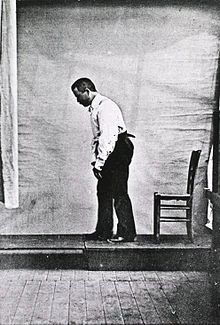
Parkinson's disease is a progressive disorder of the central nervous system that causes tremors, especially in the hands, and muscle tightness, particularly in the area. It affects both men and women equally, especially those over 60, but about 10 percent of patients are under 40. Although the disease currently has no definite cure, medication reduces its symptoms.
Signs and symptoms:
The initial symptoms of the disease are tremors, instability and imbalance, stiffness and dryness of the organs, impaired walking, very slow movement, and involuntary close of eyes.
Secondary symptoms of the disease may include:
Memory loss, constipation, sleep disorders, dementia, speech disorders and breathing and swallowing problems.
Parkinson's is characterized by four distinct signs:
• Relaxation of the hands and feet (vibrations that occur when a patient is at rest)
• Relaxation of the movements (Bradykinesi)
• Difficulty moving (and dryness) hands and feet or body
• The unbalanced (poor) balance
The cause:
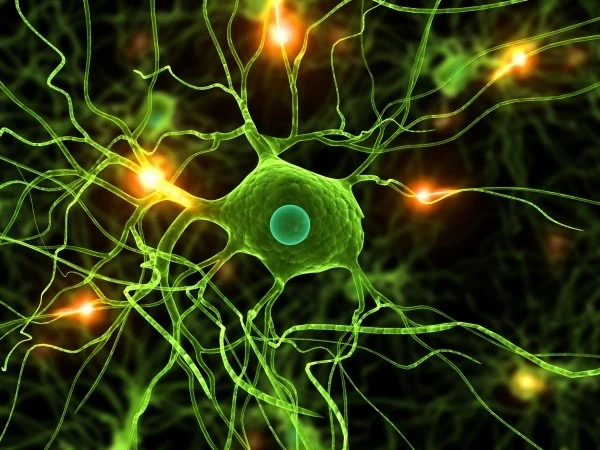
Parkinson's disease is caused by the loss of dopamine-producing brain cells. It has effects on muscle activity. The brain's inability to produce sufficient cells may be due to environmental causes (such as toxins or viruses), heredity, brain chemicals, aging and heroin use, medication use such as phenotiazines, brain damage, tumors, post-influenza anusphalomyelitis, infection with slowly growing viruses or (possibly) toxicity with monoxide carbon.
The genes RRK1 and RRK2 are the most common genetic cause of both familial and unpredictable types of Parkinson's.
Johns Hopkins University researchers have discovered a protein that may be the best target for Parkinson's disease.
According to the Johns Hopkins University Web site, it was discovered in 2007 that the gene that produced this protein, LRRK2, is the most common genetic cause of both familial and unpredictable Parkinson's disease. Yet, until now, no one knew what the protein involved in this gene does to brain cells and whether it could be manipulated.
Based on this, researchers now find that mutations in LRRK2 cause toxic substrate buildup and deterioration of the mitochondrial respiratory chain.
Early medical measures:
The therapist will perform the initial actions based on an interview and description of the person and his family. It is likely that your doctor will change your medications or their dosage. Some medications used in other conditions such as glaucoma, heart disease, high blood pressure may affect the treatment of Parkinson's. Psychotherapy may help you adapt to the conditions of depression. Speech therapy, physiotherapy and occupational medicine are also helpful.
Supplementary treatments
- Homeopathy.
- Massage and herbal medicine
Massage helps improve blood circulation and reduce muscle contraction.
- Physical therapy.
Treatment with absorbent drugs is appropriate for Parkinson's cases caused by heavy metal poisoning or environmental toxins.
- The acne.
It may be especially helpful in cases of seizures.
Follow-up: As Parkinson's disease progresses with age, the patient needs to be under constant medical supervision and the effects of medications diminish over time and you need to take care of your symptoms.