
How to Add Artichokes to Your Diet
Unlike many people, artichoke is not difficult to prepare and cook. It can be steamed, fried, fried or served in a frying pan.
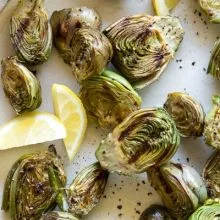
Unlike you might imagine, artichoke is not that difficult to make.
It can be eaten steamed, fried, or deep-fried. It can also be used in the preparation of bread and other foods and snacks, in seasonings and sauces, and as an additive or flavoring to seasonal meals.
Steaming is the best method of cooking artichoke, which usually takes 20 to 40 minutes and depends on the size of the artichoke. Artichoke can be cooked at 350 degrees Fahrenheit (177 degrees Celsius) for 40 minutes.
Let's remind you that the leaves and brains of this plant are also edible and edible.
After cooking, the artichoke leaves can be separated from the plant and used in sauces and seasonings such as herbal butter. The flesh of this plant is easily separated from its leaves.
After separating the leaves, remove the pieces of this plant called Choke with a spoon to reach the plant's brain. Then take the artichoke brain with a spoon. You can eat the brain alone or you can add it to pizza or salad.
** Summary: Artichoke's diet consists of leaves and brains. After cooking, you can season the plant hot or cold, or you can use it in sauces and seasonings.
Safety and dose:
Artichoke extract is generally safe and harmless, but some side effects have been reported.
However, the use of this plant can pose risks to the following diseases:
Allergy: Some people are allergic to artichoke or its extract. Some people are also allergic to plants in this family such as sunflowers, pearls, daisy flowers and spring flowers.
Pregnant or breastfeeding women: It is recommended that pregnant or breastfed women refrain from using artichoke extract because there is no reliable information on this subject.
People with gallbladder blockage or bladder stones: These patients are not allowed to consume artichoke and its extracts due to impaired gallbladder movement.
There is currently not enough information to consume a specific dose of this plant.
However, the usual doses used in studies vary from 300 to 640 mg three times a day.
If you are not sure whether you can take artichoke extract, you can talk to your doctor.
Summary: Side effects of artichoke extract are rare, although people with urinary incontinence and pregnant or breastfeeding women are not allowed to consume the plant. The usual doses for consumption of this plant vary from 300 to 640 mg three times a day.
The last word:
Artichoke, a highly nutritious low-carb plant, has many health benefits.
As mentioned, the evidence and studies regarding artichoke extract use are very limited.
Regular consumption of artichoke extract can help lower cholesterol and blood sugar levels, regulate blood pressure, maintain liver health, reduce symptoms of IBS and digestive problems.
The setting: the toxicity of the food.