
Facts About English Ivy
The English spider known as the capital or love plant or hedera helix occurs in areas of low light and cold. Most people love plants, and some plants grow green all season long.
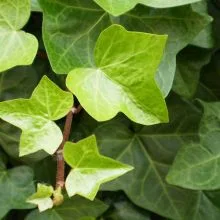
The English spider known as the capital or love plant or hedera helix occurs in low-light, cold areas. Most people love plants, and some plants stay green all year round and are used as vegetable coverings in ornamental gardens. The capital plant is also a popular ornamental plant used in the days of Christmas and winter.
The poppy is an evergreen, upwardly erect plant that grows alongside trees and buildings and greenens its surroundings. It's not native to the United States. In 1727, European colonists brought the plant to the Americas. So today you can see English capitals anywhere from the east coast to Arizona and Washington state. It grows in shade and open areas of forest, rocks and swamps, and in places where the soil is barren, fertile, and moist.
English capital is not only an ornamental plant, but also has medicinal properties. In ancient Greece, Socrates used capital to prevent poisoning, reduce swelling and as a numbing agent.
Today, botanists use the plant to treat respiratory problems such as asthma, bronchitis, chronic pulmonary disease, inflammation and arthritis.
Anti-inflammatory, anti-inflammation and antioxidant effects:
Capital has anti-inflammatory, anti-inflamatory, antioxidant, antiviral, antimicrobial and anti-tumor properties.
The tri-terpene saponins and flavonoids found in this plant have been extensively studied. Tri-terpene saponin helps to improve gut absorption and fight bacteria.
The flavanols found in the plant are useful for:
• Removing toxins from the body
• Strengthening and strengthening the veins
• Reduced allergies
• regulating enzymes
Capital helps to improve asthma, bronchitis and symptoms of pulmonary embolism.
** Research shows that capital can relax the airway and improve the circulation. It is very useful for people with allergies, asthma, bronchitis and pulmonary embolism.
Saponins in the leaves of the capital plant improve breathing by:
• dilute the mucous membranes and help to remove and clean them
• Increased production and filtration of fluids for oxygen exchange
• Lymphatic drainage
The usual dose for asthma and pulmonary embolism is 25 drops of capital extract twice daily for children and 50 drops twice daily for adults. While there is little evidence and documentation regarding the effectiveness of this plant, reliable sources and studies have shown that capital extract is useful and effective in improving lung function in children with chronic bronchial asthma.
The leaves of the capital are inhibited by histamine receptors, which have anti-inflammatory effects and improve allergic symptoms.
Reduction of cloudiness and improvement of air quality:
According to NASA, Capital is one of the top 10 plants used in air conditioning and air conditioning. Capital can eliminate toxins such as benzene, formaldehyde, xylene and toxin.
These toxins cause the building disease syndrome. Building sickness syndrome occurs when a person spends time in a particular building or room and feels ill over time.
One study showed that the capital plant can reduce particulate matter and clot.
** Researchers found that the plant can reduce pollutant particulate matter by more than 94% in 12 hours and cotton content by up to 5/78%. Most of these studies were done in a small enclosed space or container. The use of the plant in the home as an air purifier is not useful or effective.
New and affordable treatments:
The extract of the plant papital (English: pepper) can be useful and beneficial for people with arthritis and inflammation. Inflammation can speed up the process of cancer. One study in mice showed that capital plant extract could be a useful method of treating arthritis, so inflammation and swelling of the joints decreased during 7 days of treatment with capital plant. This suggests that the capital plant could be an affordable method for treating inflammation and arthritis. More research and experimentation is needed to prove this treatment.
Side effects of the papilloma:
The capital plant is a medicinal herb that is safe and safe for use by children and adults. One in 10,000 people may be allergic to this plant. Side effects of this plant can include shortness of breath, swelling, redness of the skin and itching.