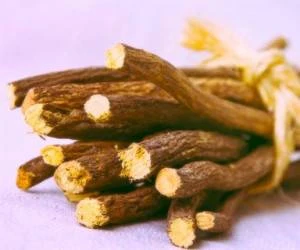
What Are the Benefits of Licorice?
The first thing that comes to mind about licorice is a sweetener of different shapes and sizes, but licorice was an herbal medicine that was invented thousands of years ago.

The first thing that comes to mind about licorice is a sweetener of different shapes and sizes, but licorice was an herbal medicine used thousands of years ago. In fact, the sweet taste of licorice (which is commonly found in America) does not contain the extract of the licorice plant.
What is licorice, and what does it do?
Licorice is the root of a plant known by the scientific name glycyrhiza glabra. The extract of this root has a sweet taste and contains over 300 different active compounds. Studies have shown that licorice can be beneficial for most diseases, including digestive problems, hot flashes and low blood pressure.
The benefits of licorice:
What does licorice do in the body?
Licorice is good. Anti-microbial, anti-inflammatory and antiviral It does.
Is licorice good for you?
Research shows that licorice is beneficial for the following diseases:
Digestive problems: A 2011 study published in the Journal of Alternative and Supplemental Medicine found that people who had The upper abdomen, the vomiting, the frying and the appetite. They suffered, consuming 75 grams of licorice root extract twice a day for 30 days, and after two weeks they experienced improvement in symptoms.
The licorice. It can help with stomach problems related to the bacterium H. pylori that causes stomach ulcers. A 2016 study published in the Brazilian Journal of Infectious Diseases found that consuming licorice extract alongside antibacterial drugs may be associated with HIV. Piloli can help eradicate this bacteria.
I'm going to get a new one. In the past, licorice was used to relieve sore throat and now some evidence supports its use in treating sore throat. Egyptian scientists conducted a study in 2016 on patients before and after surgery. Usually after the operation, when the airway is separated from the patient, most patients experience a sore throat after the procedure. These scientists gave patients licorice or a traditional medicine before the procedure. The results showed that licorice mushrooms were as effective as traditional medicines.
Pain in the teeth: Laboratory studies have shown that Licorice can kill bacteria associated with tooth decay. A study at the University of Washington in 2008 found that putting A tablet containing licorice in the mouth can relieve mouth sores and pests.
Hot flashes during menopause: A 2012 study published in the Journal of Iranian Pharmacology Research showed that Women who have experienced hot flashesThey consumed 330 milligrams of licorice root extract three times a day, which eventually led to decreased frequency and severity of hot flashes.
Skin problems: A study by the University of Shahid Jardini in Iran conducted in 2010 showed that leaf extract and licorice root can be used to treat Treatment of skin infections caused by Staphylococcus bacteria, such as yellow ulcers, can help.
Salt:
How safe and safe is licorice?
There are currently no safe and safe licorice intake guidelines, but the World Health Organization and the European Committee on Nutrition have recommended that an adult should not consume more than 100 mg of glycyrrhizic acid per day.
Too much licorice can cause The decline in potassium levels. It's in the body that this is. It leads to elevated blood pressure. If you have a history of heart problems or high blood pressure, and if you plan to take licorice supplements, consult your doctor or health care provider before taking them. If you are undergoing treatment or taking medication, always talk to your doctor because licorice can interfere with certain medications such as warfarin or hormonal drugs.
Avoid taking licorice supplements during pregnancy because it damages the fetal brain. Experts are still unsure whether licorice is safe for breastfeeding women or children. So it's best to talk to your doctor or herbalist before taking supplements.
Side effects:
What are the side effects of licorice?
Side effects of lowered potassium levels can include drowsiness, heart failure and irregular heartbeat. Side effects of licorice are caused by the presence of glyceric acid, but buying glyceric-deficient licorice (DGL) can help prevent these problems.
Set it up. She's a senior nutritionist.