
Ginger and Chamomile for Cold Winter Days
These days, when it's cold, some people still feel cold even with a few dresses and socks on.
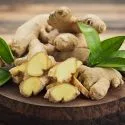
These days, when it's cold, some people still feel cold even with several dresses and socks on. One traditional medicine expert says that by eating ginger and chamomile, these people can increase the sensation of warmth in their bodies.
Noting that autumn is a cold, dry season and causes an increase in soda in all moods, he says: "All moods feel cold, but people who are in a positive or humid mood feel cold most often in the fall and winter.
Engineer Ali Karimy continues: "Damois and saffron are less likely to get cold in the autumn and winter, but if they have anemia, they feel more cold.
He explains how to prevent a cold this season: Some foods are cold-like in nature, so eating them makes you feel colder. Cabbage, peas, tomatoes, rice, pepper juice, lemon juice, various types of sauces and any food that tastes sour can all exacerbate this feeling.
The expert also considers some protein substances to be cold and does not consider them appropriate for consumption during this season, saying that meat should be taken with care, as, for example, beef is cold and warm in nature compared to sheep and goat. That's why it's recommended to eat more of these two types of meat.
The Scientific Advisory Board of the Union of Medicinal Plants adds:
Even chicken is cold and should be consumed with the necessary care. Milk, yogurt, cheese, dough and shrimp are cold-blooded. That's why they should be consumed with their seasoning, namely onions, garlic, pepper and coconut.
Do not eat heavy foods.
The Crimean engineer explains: Foods like thunder and lentils, salty foods, smoke and contaminated environments can also cause increased neurological diseases and increased blood concentration. Therefore, it is recommended that blood cleansing (blood volume) be performed during this season.
The fruits of this season are very convenient, but the point to note is that you should not consume sour fruit, so we recommend eating more corn, apples, oranges and sweet oranges.
He goes on to point out the consumption of some foods that are warm in nature, saying:
To cope with the feeling of cold and provide the energy and heat needed, he had to consume mostly foods that were warm in nature, such as thyme juice, rosemary, ginger, cinnamon, turmeric, barley, borage, aloe vera, and garlic.
Cream continues: "In addition to providing the body with energy and heat, it also increases its resistance to viruses and can keep people immune from common seasonal diseases".
He recommends eating foods that eliminate soda mixing: raw onions can also be effective in fighting colds.
Natural fruit juice is not forgotten:
The herbalist also recommends vitamin C for the cold this season, adding: "The fruits of this season are very convenient, but one thing to note is that you should not eat sour fruit, so we recommend eating more corn, apples, oranges and sweet oranges, but kiwi, which is considered a fruit of this season, is not as suitable in autumn and winter.
A member of the Association of Medicinal Herbs explains:
If the natural juice you use is sour, you can use honey that has a warm nature to sweeten it. He also suggests drinking warm liquids throughout the day: if you drink tea during the day, use ginger, celery, cinnamon, nails and saffron.