
How Are Hemorrhoids Treated?
What causes internal and external hemorrhoids, and what is their treatment? Hemorrhoids are usually caused by excessive stress from pregnancy, overweight or pressure that occurs during bowel movements.
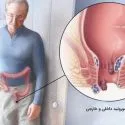
What causes internal and external hemorrhoids, and what is their treatment?
Hemorrhoids usually occur due to excessive pregnancy pressure, overweight or pressure that is applied to the anus during bowel movements. In middle age, people often complain of hemorrhoids. By age 50, about half of the population will have one or more symptoms like Rectal pain, itching, bleeding and falling. They experience (homorrhoids that are pulled out through the anal canal). Although hemorrhoids are dangerous, they can recur and be painful. Fortunately, there's a lot of information about hemorrhoids that we're going to be referring to here.
What Are Hemorrhoids?
Everyone experiences hemorrhoids. Hemorrhoids are a cluster of pelvic veins located under the mucous membranes and the subcutaneous portion of the rectum and anus. Hemorrhoids occur when these veins swell and wind up like varicose veins in the legs. Since blood vessels are always at odds with gravity to bring the blood back to the heart, some people believe that hemorrhoids should happen at any cost.
There are two types of hemorrhoids:
- Internal hemorrhoids that occur in the subrectum
- External hemorrhoids that occur under the anal skin.
External hemorrhoids are often irritating because the skin is highly stimulated and dissolves. If a blood clot forms inside the external hemorrhoid, the pain is sudden and severe enough that you feel a lump around your anus. The lump usually dissolves and forms additional skin that can be associated with itching or irritation.
Internal hemorrhoids are usually painless even when they cause bleeding. For example, when you go to the bathroom or dry your anal, you may see pink blood. An internal hemorrhoid can be excreted from the anal or it can be in a state that causes many problems. When the hemorrhoid is released, a small amount of stool particles accumulates in it, which causes an irritant condition called pruritus ani. Constantly drying the anus to relieve itching can make the problem worse.
Internal and external hemorrhoids:
Hemorrhoids are swollen blood vessels that form outside (around the anus) or inside (under the rectum).
The reasons for this are:
In the past, hemorrhoids have been associated with chronic constipation, pressure from bowel movements and prolonged sitting in the toilet, all of which cause blood flow to be disrupted and cause vascular enlargement. That's why hemorrhoids are so common during pregnancy and when the pressure on the uterine vessels increases.
Recent studies have shown that the anal canal of hemorrhoids patients is more relaxed, meaning that the smooth muscle of the anal canal is stronger than normal (even when not pressured). The abscess increases these problems because the pressure of bowel movements, the pressure on the anal canal, and the hemorrhoids are compressed against the sphincter muscle. Eventually, the connective tissue that holds the hemorrhoids in place becomes weaker and weaker as age increases, causing it to hemorrhage and fall out.
The diagnosis of hemorrhoids:
Hemorrhoids are usually diagnosed based on medical history and tests. In general, external hemorrhoids are visible and symptomatic especially if a blood clot is formed. A doctor can check the blood level in the stool by performing a digital rectal test. He can test the anal canal with an anuscope - a short plastic tube equipped with light that is absorbed into the rectum. In the event of bleeding from the rectum or blood in the stool, a flexible sigmoidoscopy or colonoscopy is used to diagnose bleeding causes such as polyps or colorectal cancer, especially in people over 45.
The treatment of hemorrhoids:
Most hemorrhoids are relieved with simple treatments and home remedies. To prevent a recurrence, try the following:
Consume more fiber: You can absorb more fiber by taking supplements of food and fiber (Metamucil, Citrucel, fiber con). In addition to abundant fluids, fiber can soften the stool and make it easier to pass through the anus and reduce pressure on the hemorrhoids. Perfume foods include broccoli, beans, wheat and rye, spices and fresh fruit. Fiber supplements help reduce hemorrhaging, inflammation and swelling of the veins. These supplements reduce the stimulation caused by small stool particles that are stuck around blood vessels. Some people believe that fiber causes breathing or bloating. These people are advised to start taking fiber gradually and daily. 25 to 30 grams of fiber. They also drink plenty of liquids.
Sports: Medium aerobic exercise, such as walking for 20 to 30 minutes a day, can help stimulate the gut.
Give it time. When you empty the stool, go to the bathroom immediately and do not turn back. Delaying the drain will prevent stool from being drained and backed up, eventually putting more pressure on the anal. Consider a specific time each day to empty your stool, such as after a meal and then sit on the toilet for a few minutes. This makes the bowel movements more regular.
The bathroom is sitting. It is a type of hot tub for the bassinet (its name comes from the German word sitzen, meaning to sit). This type of bath can relieve itching, irritation and spasm of the sphincter muscle. You can use small plastic tubes that fit the strawberry toilet seat found in pharmacies, or you can sit regularly in a hot tub. Most experts recommend a hot bath for 20 minutes after each bowel movement and two to three times a day. After a hot bath, make sure to dry the anal area slowly. Don't hit the towel hard on the area. You can use a dryer to dry the anal area.
Use of shampoo for hemorrhoids: Hemorrhoids creams contain a local anesthetic that can temporarily relieve pain. Wet towels with hamamelis extract are soothing and have no side effects or harm. An ice compressor on the anal area for a few minutes can reduce pain and swelling. Sitting on a pillow instead of a hard surface helps reduce hemorrhoid swelling and prevent the formation of new hemorrhoids.
Treatment of constipation: When an external hemorrhoid causes a blood clot to form, the pain can be severe and painful. If the pain is tolerable and the constipation lasts more than two days, use home remedies to relieve symptoms. If the lining is severely enlarged, the hemorrhoid can be removed by surgery or a surgeon in the office can remove the lining from the vein.
Rubber tape to close: To close the hemorrhoid using a rubber band, the doctor places a ligator (a type of thread to close the vein and prevent bleeding) on the hemorrhage and binds the rubber band around it.
The treatment of hemorrhoids:
Some hemorrhoids are not treated and controlled with precautions because their symptoms are permanent or the internal hemorrhoid has decreased. Fortunately, some hemorrhoid treatments are less invasive and have less pain than a hemorrhoids removal (hemorrhoidoctomy) and the patient's recovery process is faster. Usually, these procedures are performed in the surgeon's office or in a hospital on an outpatient basis.
Banded: Today, rubber banding is one of the most widely used methods of treating hemorrhoids in the United States. In this way, a small ribbon is placed around the base of the hemorrhoid. The bandage causes the hemorrhoid to contract and shrink, and the surrounding tissue repair. The bandage keeps the hemorrhoid in place. This procedure takes two to four steps, six to eight weeks apart, and helps completely remove hemorrhoids. The effects of this procedure are rare but can include mild or severe pain (usually relieved by a hot bath), bleeding, and infection. Other treatment steps in the office include laser or infrared use, cellulite therapy and cryosurgery. These methods work like rubber bands but are not effective in preventing recurrence of disease. Side effects and recurrence vary throughout treatment, so consult your doctor about the best treatment.
I'm going to have a hemorrhoids. Surgery is required if the hemorrhoids are enlarged and protruding, the external hemorrhoides are symmetrical and congenital or the internal hemorrhoods have returned to their original state despite the use of rubber tape. In the hemorrhoidectomy, a narrow incision is made around the inner and outer hemorrhoid tissue and the injured blood vessels are removed. This procedure cures 95% of cases and has fewer side effects and pain. This requires public insensibility, but patients can go home the same day. Patients can usually return to work after 7 to 10 days. Despite some problems, most people are happy with a specific solution to their hemorrhoids.
The washing machine: An alternative method for hemorrhoidoctomy is the cooking hemorrhoideopsy. This can lead to bleeding or lowering of the internal hemorrhoids. Surgeons use a sewing machine (susan) to hold the hemorrhoids in place. A cooking hemorrhoide biopsy is done like a hemorrhoid retrieval in one day and with general anesthesia.
Set it up. She's a senior nutritionist.