
The Antibacterial Activity of Honey and Thyme
Thyme and its medicinal properties: The thyme plant is an aromatic plant; because it is rich in essential oils.
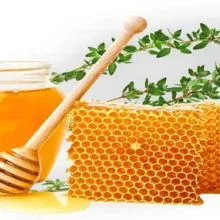
thyme and its therapeutic properties:
The thyme plant is an aromatic herb; it is rich in essential oils. These aromatic compounds not only create flavor and aroma, but also have antimicrobial and antifungal effects. The strong aroma and smell of honey also indicate the presence of such antimicrobial compounds in it. In addition, thyme and honey contain a natural antibacterial substance called hydrogen peroxide that is largely responsible for reducing the number of bacteria and preventing them from spreading.
Other factors that cause the antibacterial effect of honey are its acidic pH and low humidity. Both of these factors reduce its bacteria and ultimately reduce the infection rate. Thyme extract has been used in combination with honey to treat respiratory infections such as colds, flu, sinusitis, bronchitis, etc. and to reduce symptoms. Some of the symptoms that are cured by honey and thyme combine include: constipation, sore throat, loss of appetite, accelerated wound healing and decreased acne.
1. Honey and thyme for treating respiratory infections
In the pharmaceutical industry, thyme is well known for its high terpene content. Terpenes are organic compounds found in many plants and have antimicrobial properties. Thyme species are also particularly rich in thymol, which has antimicrobial properties. Thyme has been known throughout history for its antimicrobial properties.
In ancient times, dry thyme leaves were used to disinfect wounds. They also used thyme tea to treat sore throat. Today, thyme is the main ingredient in many health products such as mouthwashes. Adding a mixture of honey and thyme to water and soaking it up is one effective way to treat respiratory infections and reduce inflammation.
2. The combination of honey and thyme is confusing.
Thyme has been known as a confounding agent since ancient times. Tea, juice or even thyme steam is used for this. These thyme properties double when combined with honey. Thyme contains terpenoid and thymol, all of which increase mucous fluidity (a sticky substance that covers the respiratory tract and digestive tract causing confusion). These compounds also have antimicrobial properties that, while clearing the mixture from the lungs, cause it to become clear of microbial substances.
3. Honey and thyme to improve the cough and spasm
Inflammation of the upper respiratory tract is often associated with a pulmonary embolism (spermia). Thyme contains flavonoids, all of which have anti-spasmic properties. The symptoms of the problem may vary depending on the nature of the problem. Chronic surfaces can occur for a variety of reasons, but they are often caused by bacterial infections. The flavounoid content of thyme in the lungs is calming and helps to relieve muscle stiffness and release bacteria.
Honey is very thick and has a softening effect, which reduces the intensity and frequency of vomiting.
4- Healing the sore throat
The adhesive properties of honeycombs allow it to be attached to the throat and form a protective layer on top. This protective layer helps to improve inflammation of the throat. The antibacterial properties of honey and thyme also reduce the bacteria present in the throat. For honey to be beneficial, it is best to consume it raw and unheated. Please note that you should not eat or drink anything for at least an hour after taking the combination of honey and thyme to heal your sore throat. You should also use this compound several times a day.
The setting: the nation's top nutritionist.