
Causes of an Itchy Scalp and Hair Loss
Research into the causes and treatment of hair loss for people with hair loss is understandable, including self-esteem decline, poor or impaired functioning, and increased anxiety.
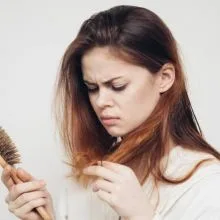
The search for causes and treatment of hair loss is understandable for people who experience hair loss. Research has linked hair loss to low self-esteem, poor health or disability and increased anxiety. The Journal of the American Academy of Dermatology recommends assessing anxiety and stress when identifying causes of hair loss.
Most of the non-genetic causes of hair loss have been successfully treated and even hair loss has been cured.
What causes itching and hair loss, and how can it be treated?
Itching, known as scalp pruritus, is a common condition that can be caused by multiple factors and is a symptom of a particular disease.
In some cases, itching occurs with skin flaking, pale skin, rashes and even hair loss. Hair loss can occur when itching is severe or the headache affects the structure or resistance of hair follicles. When itching is treated, hair growth usually resumes.
Causes of scratching and hair loss:
Almost anyone can experience itching. According to the American Academy of Dermatology, it's normal for hair loss to be 50 to 100 strands a day. However, hair loss is a concern when itching is severe or constant and the person experiences scaling of areas of the head and abnormal hair loss. Here are some of the reasons for itching and hair loss.
1 - The head.
According to popular belief, the rash is the result of overactive fatty glands on the head. That's why headaches don't usually progress until adolescence, when stimulation of hormones increases skin fat production.
Some researchers believe that seborrhea is caused by an infection of a yeast in the hair follicles. In addition to inflammation and itching, yeast can weaken the hair roots and cause hair loss.
Hair loss occurs with a scalp rash, but only when the scalp is severe and left untreated in the long run.
2. The son of a bitch:
According to the National Psoriasis Foundation, about 50 percent of people with psoriasis develop psoriasis.
Symptoms of the disease include:
• Skin rash and dry scalp
• Headache
• Hair loss caused by severe itching or scalp cutting
3 - Alopecia:
Alopecia, in addition to itching and needle-like pain, causes a group of hair loss. This disease can lead to coin toss. It occurs when the immune system attacks healthy hair follicles and often occurs in people who have a family member with autoimmune diseases such as type 1 diabetes or rheumatoid arthritis.
Tinea capitis-4-:
Tinea capitis, known as ringworm, is a fungal infection that penetrates deep into the hair root and causes itching and hair loss. Depending on the type of fungus that causes the infection, the hair root is damaged or the hair itself becomes fragile and crushed.
It is highly contagious and reactive, and is most often seen in children with symptoms of:
• Skin rash and dry skin
• Black spots on the scalp
5- Allergic reactions:
In severe cases, allergic reactions to hair color can cause inflammation, itching and hair loss. The results of one published skin study showed that 1 percent of people are allergic to paraffinyl andylamine (PPD). PPD is a compound found in hair color. This compound causes severe hair loss in sensitive people. Inflammation and itching can occur in the affected areas and may be similar to a rash or allergy.
6. Folliculitis: What is it?
Folliculitis is inflammation of hair follicles and is usually caused by the presence of staphylococcal bacteria or fungi. It occurs at the same time as hair grows on the skin, including the scalp. In addition to small bumps on the skin and itching, this disease affects the scalp and causes temporary hair loss. With proper treatment, hair growth usually returns to its original state. However, in rare cases, the disease causes permanent hair loss.
Lichen planopilaris-7:
It is an inflammation of the scalp and occurs due to a deficiency in the immune system. The disease is seen in young women and can cause hair loss, along with scarring, redness, inflammation, rashes and towels.
Hair loss can be permanent if the hair follicles do not return to their original state.
8-threat of itching and hair loss:
Treatments vary depending on the cause of itching and hair loss.
• Steroids (either taken orally or injected) to reduce inflammation
• Anti-inflammatory agents (in the form of ointments or food) to counteract yeast
• Immunotherapy to activate or inactivate the immune response
Common medicines for hair loss include:
• Minoxidil to reduce hair loss and regrowth
• Finasteride for the treatment of hereditary dysentery
• Hair transplantation or transplantation
Natural and home remedies to improve itching and hair loss:
Not all scratches and hair loss require treatment or medication. Here are some things we recommend to make sure your hair stays healthy.
9- Consuming a healthy diet:
Important nutrients for skin and hair health include:
• iron
• Zinc (Roy)
• Do not know
• Selenium
• Vitamins A, D, and E
• Biotin
• Amino acids
• Proteins
Use of special shampoos:
If you have headaches, use a selenium or zinc-based shampoo to treat the problem.
Essential oils:
There's no scientific evidence for this, but some animal studies have shown that the use of essential oils like oil The rosary. And the needle can slow hair loss and promote hair growth. Essential oils must be diluted with a carrier oil and then used.
Peanut oil or oil The rosary. So dilute it with a carrier oil and try it.
Massage of the head:
Published research suggests that head massage can increase blood flow, stimulate hair cells and increase hair thickness.
Be gentle with your hair:
To reduce hair loss, avoid the following:
• Avoid violence in your head.
• Do not cut your hair like a horse's tail.
• Avoid exposing your hair to makeup and appliances.
• Use gentle shampoos and dry your hair without rinsing and exposing it to the air until itching and falling out are over.
Set it up. She's a senior nutritionist.