
A Closer Look at Artichoke
The Romans cultivated it about 2,000 years ago and used it as a vegetable in salads.
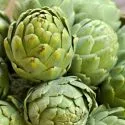
The Romans cultivated the plant about 2,000 years ago and used it as a salad dressing. The artichoke was taken in England and France in the 16th century, then cultivated in America in the 19th century. California and the Pacific coast is now a hub for artichoke cultivation. The word. Artichoke is derived from the Italian word articicco, meaning "fruit of cabbage", and artichoke is similar to the fruit of cabbage. Artichoke needs plenty of water and rain to grow.
According to Reuters, artichoke is a perennial herb with a right stem that reaches about a meter in height. Its leaves are broad and long like the leaves of a cacao tree that is dark green. At the end of the stem is a fruit that appears to be in the form of a cottage or a peached apple. The fleshy gills are thicker and the end of the gills is thicker than food.
When buying artichoke, make sure the leaves are unopened and green. When the artichoke leaves are brown, it indicates its age. The artichoke season is usually in February and April.
Chemical compounds:
The edible artichoke leaves have Inulin, inolate. And a bitter substance called The Cynarine. It is.
The scenarios. It has the property of increasing the salinity of artichoke, and is caused by the presence of this substance.
100 grams of artichoke is made from the following ingredients:
Energy of 14 calories.
Protein of 5.1 grams
86 grams of water.
Fats are 1.0 grams.
5 grams of solids.
Calcium is 22 milligrams.
40 milligrams of phosphorus.
6.0 milligrams of iron
Sodium 30 milligrams
250 milligrams of potassium.
Vitamin A40 is an international unit.
Vitamin B: 04.01 mg
Vitamin B: 02.02 mg
Vitamin B is 6.03 milligrams.
Vitamin C 2.5 milligrams
The medicinal properties:
Artichoke from the perspective of ancient Iranian medicine Hot and a little dry. The artichoke is the part used for the leaves and the middle part of it is called the heart of the artichoke.
1) Cleans the liver and regulates liver function.
2) The filtration increases the zero.
3. It prevents fat from accumulating in the liver, and those with fatty liver are better off using artichoke.
4) The larva treats chronic pain.
5) It is a body enhancer.
6) It causes urination.
7) Fever is on.
8) It is effective in treating rheumatism.
9) Treat constipation caused by loss of saliva.
10) It is effective in treating bowel inflammation.
11) Removes the stones from the sac.
12) Increases sexual strength.
13) Heat the kidneys and bladder.
14) Gases and bloating destroy the stomach and intestines.
15) It helps digest food.
16) Treatment of liver disease.
17) It lowers blood cholesterol.
18. It's a dietary supplement, and those who want to lose weight and lose weight can eat artichoke every day.
19) It clears the spleen.
20. Those who have their ears ringing if they eat artichoke will turn it off.
21. People with diabetes can adjust their sugar by eating artichoke.
22) It is effective in treating migraines.
23. It's beneficial in treating asthma.
24) Removes the silver.
25. Artichoke cleanses the veins and treats constipation.
26) It is effective in treating eczema.
27) It has a beneficial effect in the treatment of most skin diseases.
28) It eliminates toxins from the body.
29) Treats wounds in the lungs and intestines.
30. To prevent hair loss, the artichoke leaves are made into a powder and applied to the head.
31. To remove the bad smell, apply artichoke leaf extract to the shoulder.
32. Artichoke extract will remove itching if you apply it to the body.
33. Use three cups of artichoke juice a day to water your body.
Method and amount of consumption:
1. They use the artichoke leaves after cooking.
2. They take 30 to 100 grams of fresh artichoke leaf milk and mix it with a small amount of hot water in the morning, afternoon and evening before each third of their meals.
3. 10 grams of artichoke leaves in 4 glasses of boiling water are brewed in the morning, afternoon and evening before each meal with 2 tablespoons of sugar.
The harm:
Because artichoke is hot, it may produce soda in some people, so it's best eaten with vinegar. Such people may also take artichoke pills or capsules if they wish to benefit from the benefits of using artichoke.