
Dandruff Treatment
Head-on-head brushing is a chronic and harmless problem, and when it happens, the scalp becomes dry or greasy and produces white debris from dead skin that is lost on...
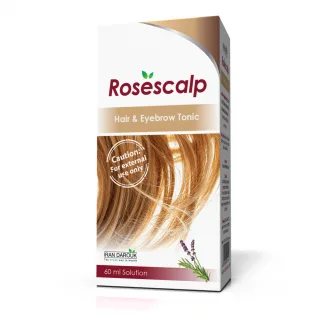
Shower your head.
Head lice, a chronic and harmless problem, occurs when the scalp becomes dry or greasy and produces white debris from dead skin that appears on hair or shoulders.
Although it is safe, it can be both annoying and painful for people.
Headaches usually begin between the ages of 10 and 20, affecting up to 40 percent of people over 30.
Causes of the headache:
Skin cells are continuously and permanently formed on the scalp, so the loss of dead skin cells is a natural and normal process.
When the scalp is exposed, skin cells shrink at a faster rate than normal. The fat in the scalp causes the skin cells to stick together and appear as white debris.
Head lice can occur in the following ways:
- Dry skin
- Sensitivity to shampoos and hair care products
- Skin problems like dermatitis or eczema.
- The high growth of a yeast like mushrooms causes the fungus to develop.
- Stress is what it's all about.
- The hormones.
- Fat on the scalp
- Problems with the immune system
Symptoms and effects:
The symptoms of scalp flushing include white discharge from dead skin on the hair and shoulders. Itching, redness or scalp rash It is.
The scalp usually covers all the skin.
If the headache is caused by subdural dermatitis, the symptoms of the headaches usually appear gradually. The skin becomes dry or red and even itches. When skin cells die, they turn to yellowish waste. Severe cases of Sudden Dermatitis cause symptoms in other organs.
Red or yellowish hair loss occurs on the hairline, inside or around the ear, or on the nose and chest.
Newborn babies with scalp hairs have thick, yellow hair on their scalp that makes them feel like they're not really a baby. Baby hat. They say.
Headache diagnosis:
Head lice, a problem that people with symptoms like Itching, dry and scalp rashes. They're going to follow it. The death of a Suburb. It appears as red skin with a slightly peaty, fatty and yellowish skin and scattered waste.
Treatment and prevention:
Headaches are often a chronic problem but can be controlled with proper treatment. First use a non-medical shampoo, massage the scalp, and then wash it well. Repeated shampooing removes the loss of skin, reduces the fat in the scalp and prevents the formation of dead cells. If this is not a useful and effective method, use anti-wash shampoos that are usually helpful and effective. Read the guidelines for this type of shampoo and follow them. Some of these shampoos are used daily, but others only once or twice a week.
When choosing a shampoo in the pharmacy, read the anti-inflammatory shampoo ingredients that contain Ketonazole, selenium sulfide, salicylic acid, sulfur, coal salt or pyrethane on the You can try some products to find a useful and effective shampoo.
If you cannot get the results after 2 weeks of taking antifungal medicines or if your rash gets worse, see a doctor. Your doctor will prescribe a corticosteroid lotion for your scalp. Never take corticosteroids for long periods of time without a prescription. These compounds thin the skin and cause side effects.
For a baby with headache, apply a small amount of mineral oil to dry areas of his skin to soften the skin. Then, by shaving the baby's hair, gently remove the skin from his head. You can wash the baby's hair with baby shampoo. If these measures are not helpful and effective, apply a small amount of heated mineral oil to his head and then wash his head with shampoo the next morning. If this is not helpful or effective, consult a pediatrician.
Corticosteroid shampoos and lotions are not generally used for infants and toddlers because the baby's scalp absorbs these substances.
The good news is that baby's scalp usually disappears without any treatment and within a year.
** To control your headache, use shampoo regularly, reduce stress, reduce the consumption of hair care products (such as gels and sprays), or abstain from them and follow a healthy diet.
Set it up. She's a senior nutritionist.