7 Evidence-Based Health Benefits of Ginseng
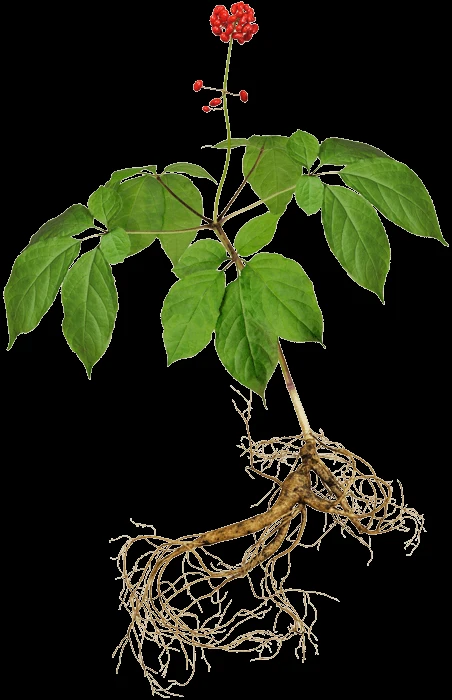
ginseng has been used in traditional Chinese medicine for centuries. It is a short, slow-growing plant with fleshy roots that can be divided into three categories depending on the length of growth: fresh,

ginseng has been used in traditional Chinese medicine for centuries. It is a short, slow-growing plant with fleshy roots that can be divided into three groups depending on the growing season: fresh, white or red; fresh ginseng is harvested before the fourth year while white ginseng is picked between the 4th and 6th years and red ginseng after 6 years or more.
It has a variety of varieties, but the most famous are American ginseng (panax quinquefolius) and Asian ginseng (panas ginsing). American and Asian ginseng differ in the amount of active ingredients and their effects on the body. It is believed that American ginseng acts as a sedative while Asian ginseng has both a strengthening and a discomforting effect.
ginseng contains two important compounds: ginsenoside and gentonine, which are beneficial for health.
Here are seven evidence-based benefits of ginseng:
1- A potent antioxidant that reduces inflammation.
ginseng has antioxidant and anti-inflammatory properties. Some laboratory studies have shown that ginseng extract and ginsenozide compounds can inhibit inflammation and increase antioxidant capacity in cells. For example, a laboratory study showed that Korean red ginseng extract can reduce inflammation and improve antioxidant activity in the skin cells of people with eczema.
The results of these studies in humans are also promising. In one study, the effects of consuming 2 grams of Korean red ginseng extract 3 times a day for 7 days were studied in 18 young male athletes. Results showed levels of inflammatory symptoms after exercise testing that were significantly lower than those in the placebo group. These symptoms were present up to 72 hours after the test.
We're here to note that the placebo group received a different herb, so these results need further study.
In another study, 71 postmenopausal women took 3 grams of red ginseng or placebo daily for 12 weeks and measured antioxidant activity and oxidative stress symptoms. Researchers concluded that red ginseng by increasing the activity of antioxidant enzymes can help reduce oxidative stress.
In short: ginseng helps reduce symptoms of inflammation and prevent oxidative stress.
2. ginseng is beneficial for brain function.
ginseng can help improve brain function, including memory, behavior and mood. Some laboratory and animal studies suggest that ginseng constituents, including ginseng and k-compound, can prevent free radical damage to the brain.
In studies, the effects of daily consumption of 200 mg of Panax ginseng for 4 weeks were studied in 30 healthy individuals. At the end of the study, it showed improvements in men's mental health and improved social functioning and mood. The benefits of ginseng stopped after 8 weeks and its benefits seem to be diminished by overconsumption.
In another study, the effects of a single dose of 200 or 400 mg of Panax ginseng on mental function, mind fatigue and blood sugar levels were tested in 30 healthy individuals before and after a 10-minute mind test. The study found that doses of 200 mg were more effective at improving the functioning of the brain than those of 400 mg. ginseng helps the cells absorb glucose and can boost function and reduce brain fatigue. But it's still unclear why a lower dose is more effective than a higher dose.
The third study found that taking 400 mg of ginseng daily for 8 days improved calmness and mental skills.
Other studies have pointed to the positive effects of ginseng on brain function and behavior in people with Alzheimer's.
In short: ginseng is beneficial and desirable for mental function, calmness and mood in healthy people and Alzheimer's patients.
3. ginseng can cure erectile problems.
Research has shown that ginseng can be a useful alternative to treating erectile dysfunction (ED) in men. It appears that the compounds in ginseng can prevent oxidative stress in men's veins and arteries and genital tissue, restoring normal function. Furthermore, studies have shown that ginseng can boost nitric oxide production. Nitric oxide causes muscle wasting in men's genitals and increased blood circulation. One study found that men who took Korean red ginseng to treat ED experienced a 60% improvement in their symptoms, but men who used medication to treat ED had a 30% improvement. However, another study found that 86 men with erectile dysfunction who took 1000 mg of ginseng extract for 8 weeks experienced significant improvements in their genital function and sexual satisfaction.
However, more studies are needed to conclude the effects of ginseng on ED.
In short: ginseng can improve the problems of men's genital mucous membranes by reducing oxidative stress in the tissues and boosting blood flow.
4. ginseng can boost the immune system.
ginseng can boost the immune system. Some studies have looked at the effects of ginseng on the immune system of cancer patients undergoing surgery or chemotherapy.
In one study, the effect of taking 5,400 milligrams of ginseng daily for two years was studied in 39 people with gastric cancer who had undergone surgery. These people showed significant improvements in immune system function and reduced recurrence of symptoms.
In another study, the effects of red ginseng extract on immune system function were tested in people with advanced stomach cancer who underwent chemotherapy surgery. After three months, people who took red ginseng extract experienced improved immune function compared to the control group or placebo. In addition, a study found that people who took ginseng had a 35 percent higher chance of living disease-free until five years after surgery than those who did not.
It seems that ginseng extract can also enhance the effect of vaccination against diseases such as influenza. Even if these studies show improvements in immune function in cancer patients, more research is needed to demonstrate ginseng's effectiveness in increasing resistance to infections in healthy people.
In short: ginseng can boost the immune system in cancer patients and even the effects of vaccination.
5. ginseng has potential advantages against cancer.
ginseng can be useful in reducing the risk of some cancers. The ginsenosides in this plant can help reduce inflammation and protect against its antioxidant effects.
The cell cycle is a process by which cells usually grow and divide. Genenosides can be useful and beneficial for this cycle by preventing the unnatural production and growth of cells. A review of various studies showed that people who took ginseng had a 16% lower risk of developing cancer. However, one observational study found that people who took ginseng were less likely to develop cancers such as mouth, lips, spleen, stomach, colon, kidney and lung than those who did not. ginseng can help improve the health of cancer patients undergoing chemotherapy, reduce side effects and enhance the effect of certain medications.
While studies have pointed to ginseng's role and benefits in preventing cancer, more studies are needed to generalize it to people.
In short: The ginseng-based ginsenosides appear to regulate inflammation, protect against antioxidants and maintain cell health, which can help reduce the risk of various types of cancer. However, more research is needed.
6. ginseng can fight fatigue and increase energy levels.
ginseng is useful and effective in fighting fatigue and strengthening energy. Animal studies have linked the presence of certain compounds in ginseng, such as polysaccharides and oligopeptides, to reduced oxidative stress and increased energy production in cells, which can help fight fatigue.
In a 4-week study, the effects of 1 to 2 grams of Panax ginseng or placebo on chronic fatigue were tested in 90 people. People who took Panax ginseng had less physical and mental fatigue and oxidative stress than the placebo group.
In another study, 364 cancer patients with chronic fatigue took 2,000 mg of American ginseng or placebo. After eight weeks, the ginseng group had much less fatigue than the placebo group. In addition, a review of more than 155 articles found that ginseng supplements not only help reduce fatigue but also boost physical activity.
In short: ginseng can help fight fatigue and boost physical activity by reducing oxidative damage and increasing energy production in cells.
Herbal medicine Ginsopher contains the dried extract of the root of the Asian ginseng plant PANAX ginseng, which has been scientifically and standardly formulated.
7. ginseng can lower the sugar.
ginseng appears to be useful and effective in controlling blood glucose in healthy people and diabetics. Evidence has shown that American and Asian ginseng improves the function of pancreatic cells, increases insulin production, and absorbs blood sugar into tissues. However, studies show that ginseng extract can be a useful and effective option by protecting against antioxidants and reducing free radicals in diabetic cells.
In one study, the effects of taking 6 grams of Korean red ginseng with diabetes medicine or diet were tested in 19 people with type 2 diabetes. The interesting thing is that these people were able to control their blood sugar well over 12 weeks. They experienced an 11% decrease in blood sugar levels, a 38% decrease of insulin intake and a 33% increase in insulin sensitivity.
Another study found that American ginseng could help improve the levels of glucose in 10 healthy people after a test of sweet drinks. It seems that fermented red ginseng can be very effective in controlling sugar. Fermented ginseng is produced with the help of living bacteria that convert these bacteria, genenosides, into a strong and digestible form. In fact, one study found that taking 7/2 grams of red fermented ginseng compared to a placebo was effective in lowering glucose levels and increasing insulin levels after a meal test.
In short: ginseng, especially fermented red ginseng, can help increase insulin production, increase sugar absorption in cells and protect against antioxidants.
Safety and possible side effects:
- According to research, ginseng is safe and has no serious or dangerous side effects.
- However, diabetic patients taking medication should be careful when using ginseng because it does not guarantee that the plant will drastically lower their blood sugar.
- In addition, ginseng can reduce the effects of anti-inflammatory drugs. That's why talk to your doctor before taking a ginseng supplement.
- Note that due to the lack of studies in this area, ginseng is not recommended for children or pregnant or breastfeeding women.
- Evidence suggests that regular use of ginseng can reduce its effects on the body.
Important advice: To reap its benefits, take ginseng for a two to three-week cycle and then abstain from it for one or two weeks and resume.