
Pelargonium and the Common Cold
South African geranium, scientifically known as Pelargonium sidoides, also known as black geranium or Pelargoniums, is a herb used in traditional South African medicine.
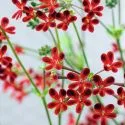
South African geranium, scientifically known as Pelargonium sidoides, also known as black geranium or Pelargoniums, is a plant used in traditional South African medicine. The root of the plant is usually converted into an extract during the distillation process, and this extract is used to treat coughs and colds, as well as to alleviate symptoms and reduce the duration of illness.
Traditional medicine proponents claim that South African geranium can help fight upper respiratory tract infections including the common cold, bronchitis and sinusitis.
Genanium in South African traditional medicine is often referred to as umckaloaba, kaloba or umcka.
P.sidoides should not be confused with P.graveolens (rose geranium), which is commonly used to make essential oils in perfumes, perfumes and perfumery.
Benefits:
Most research on Pelargonium has been limited to studies in laboratory tubes. The p.sidoides extract can neutralize certain bacteria and viruses. It's not clear yet whether this effect is achieved by taking the herbal extract. The evidence is mixed.
1 - Cold and sinusitis:
The researchers, based on studies published in the Cookeran database in 2013, analyzed previous research and concluded that p.sidoides can be a major cause of cancer. Reduces the duration of a cold or sinus infection.
2. Acute bronchitis:
The results of a study in Germany in 2013 showed that pelargonium can be used to treat It'll help relieve the symptoms of bronchitis.
Based on the evidence, researchers concluded that oral p.sidoides extract could cause It relieves the symptoms of bronchitis in children.
Possible side effects:
The safety of Pelargonium has not been extensively tested. Side effects include heart pain, nausea, inflammation of the stomach or worsening respiratory symptoms.
Pelargonium contains a substance called I'm not going to lie. It's like an anticoagulant. That's why you should avoid taking Pelargonium along with anticoagulants like warfarin because it can lead to bleeding. Therefore, we should avoid taking Pelargonium at least two weeks before surgery or to the dentist.
According to the recommendations of European medicine, people with autoimmune diseases such as psoriasis, rheumatoid arthritis, lupus and autoimmune hepatitis should be cautious when taking this herb because it can activate antibodies that target autoimmune symptoms.
Therefore, consult your doctor before taking any herbal supplement. Due to the lack of research in this area, children, pregnant women or breastfeeding mothers should not use this herb.
Liver injury:
There are concerns about excessive or persistent use of Pelargonium that causes liver damage.
According to a 2016 study in Germany, p.sidoides is one of five medicinal plants that may cause liver poisoning. These medicinal plants include the medicinal herb known as valeriana, mint (menthe piperita), hypericum perforatum and Tasmanian blue lobster (eucalyptus globulus).
If you decide to take Pelargonium (especially fully concentrated extracts) and if you have any symptoms of liver toxicity, including fatigue, heart pain, nausea, dark urine, bright stool or yellowing of the skin or eyes, contact your doctor.
If you have liver disease and drink alcohol, avoid eating plumage.
Salt and fruit:
The safe dose for this herbal supplement can vary and is influenced by age, gender, weight, medication and overall health.
Pelargonium is usually sold in extract, tenor, oral suspension, juice or gel capsule form. Never take more than the recommended amount on the label.
Avoid buying powdered or dried Pelargonium for safety reasons as these forms may contain pesticides, heavy metals and other toxins. Avoid making and preparing tannins or extracts of this plant so that you can control the amount or dose.
Is South African geranium a food?
Generiums are edible and African generiums are no exception. The flowers of this plant smell like pepper and perfume while its leaves give the taste of grass.
A cup of boiling water can be made by pouring a quarter cup of flower and crushed geranium leaves into a cup. Some people believe that geranium tea can help with digestion.
Due to the consumption of medicinal plants, South African geranium roots are more useful and beneficial than stems, leaves or flowers.