
Horsetail
The horse-tail plant is known as bottle-brush, Equisetum arvense, Horse willow, paddock-pipes, pewterwort, scouring rush, shave grass and Toadpipe.
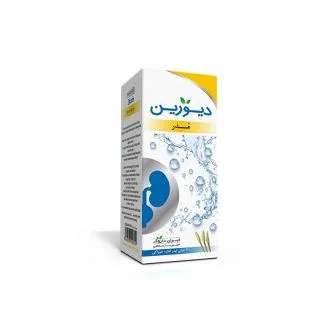
The horse-tail plant is known as bottle-brush, Equisetum arvense, Horse willow, paddock-pipes, pewterwort, scouring rush, shave grass and Toadpipe.
The equisteum arvense is a herbal medicine dating back to the time of ancient Greece and Rome. In the past, it was used to prevent bleeding, treat wounds, treat tuberculosis and kidney problems. The word equisteum is derived from equus, meaning horse and seta, meaning zebra hair.
The horse's tail plant contains silicone and helps strengthen bones. For this reason, some experts and doctors recommend taking the herb horse tail to treat osteoporosis. It is a common herb used in some cosmetics. Some studies have investigated the effects of this plant on humans.
Describe the plant:
The horse-tail plant is a genus of large carnivorous and tree-like plants that have been around since the Paleozoic period, about 400 million years ago. The plant, which is closely related to the grass, is a herbaceous and flowerless plant found in most parts of Europe, Asia, the Middle East, and North America. It is a perennial plant, growing all season, with hollow stems and branches similar to marshmallows. When the plant dries, the silicate crystals that form in the stems and branches come in as a full-bodied tail, giving the plant a scratchy state. This characteristic has led to the ancient use of this plant in the smelting and smelting of metals, especially pottery.
The ingredients used for the plant:
Medicinal components of horse-tail plants include fresh or dried parts.
Medication costs and side effects:
In ancient times, the horse's tail plant was used to help extract fluids from the body and increase urination. One study looked at the effects of using horse tail plants on patients with a history of kidney stones and uric acid, and found that people who used horse tail plant experienced increased urination. Other studies have also shown that the horse tail plant has antioxidant properties and can inhibit the growth of cancer cells.
The steeple:
The horse's tail plant is one of the options for treating osteoporosis because it contains silicone, which is essential for bone health. A study of 122 Italian women who consumed either dried horse-tail plant extract or 270 mg of calcium steosile twice a day (the combination of horse-tail and calcium plant is used in Italy for osteoporosis and fractures), found that both groups experienced improved bone density. However, more studies and research are needed to determine the effects of this plant on bone density.
Different cases:
- Sometimes the horse-tail plant is recommended for the following diseases, although scientific evidence in this area is rare:
- Kidney stone.
- Urinary tract infection
- The fragility of the nail.
- Sores and minor burns (used on an on-site basis but never use herbal supplements on open sores)
- The horse tail plant is available in two forms, dry or soluble. The solution containing the horse tailplant should be kept in sealed containers and away from sunlight.
The method of consumption:
Children's Health:
Since the horse tail plant contains a small amount of nicotine, it is not recommended to give this plant to children.
Adults:
Capsules: A horse-tail plant capsule contains 10 to 15 percent silicate, which is a standard dose.
Vegetable tea: Put 2 to 3 teaspoons of this plant in a glass and add boiling water, and let the ingredients dissolve for 5 to 10 minutes. Take this solution three times a day. Take this solution as directed.
Tenor (1:5): Consult a doctor to determine the dose and suitability of this plant for disease.
Compass: oneDissolve 0 g of this plant in 1 liter of water and use it as a compress daily.
Be careful to drink enough fluids when consuming horse-drawn plant products orally.
The precautionary aspect:
Herbal use is one of the timely approaches to strengthening the body and treating disease. Plants contain compounds that can target side effects or interfere with other plants, supplements or medicines. Therefore, you should take precautions when using medicinal herbs and use them under the supervision of a doctor or someone who specializes in herbal medicine.
If the herbal products are used properly, it will be harmless and safe to consume. Another species of horse tail plant, called Equisteum palustre, is toxic and dangerous to horses. It is therefore recommended that you never consume this type of horse tail plant and use products and derivatives made and produced by well-known companies. Choose products that have a standard seal and guarantee as much as possible.
Continuous use of horse-tail plant species is not recommended even for certain species (E.arvense).
The consumption of horse tail plants orally causes a drop in vitamin B1 (thiamine) levels. If you consume horse tail plants regularly, you should also take a multivitamin or at least a B-complex supplement.
People with heart or kidney disease, diabetes or bowel disease should not use the horse tail plant.
Alcohol should not be consumed when consuming horse tail plants because horse tail plant causes levels of thiamine to drop.
The horse tail plant can reduce the level of potassium in the body so people who are at risk of potassiums deficiency should not use the horse tailplant.
Pregnant or breastfeeding women should not consume the horse's tail plant.
Interventions in the treatment of:
The effects of the horse-tail plant can exacerbate the effects of some medicines. This is why people who take certain medicines should not resort to horse tail herbs without medical advice and on their own.
- Alcoholic beverages: People who are addicted to alcohol experience decreased levels of vitamin B1 (thiamine). Since the herb causes a decrease in thiamine levels, these people are advised to avoid herbs.
- Adams or nicotine pills: The horse tail plant contains a certain amount of nicotine. Therefore, the horse tail should not be used when taking nicotine replacement pills or chewing gum.
- Digoxin (lanoxin): The horse tail plant causes the level of potassium in the body to drop (hypocalcaemia). People with heart arrhythmias and people who take digoxin should not use the horse-tail plant.
- Medicinal herbs: The plant is a horse-drawn, hydrated and has urethral properties, which means that it removes excess fluids from the body. So people who use modern medicines should not take the horse-tail plant because of the risk of low body blue or potassium loss.
- Lithium: Consumption of horse-drawn herb with lithium by the body disrupts its ability to eliminate lithium, causing lithium to build up in the body which can be dangerous.
The setting: the toxicity of the food.