An Approach to Increasing Basal Metabolism
And with the help of some foods, we can increase our metabolism a little bit.
With the help of a few foods, we can increase our metabolism slightly.
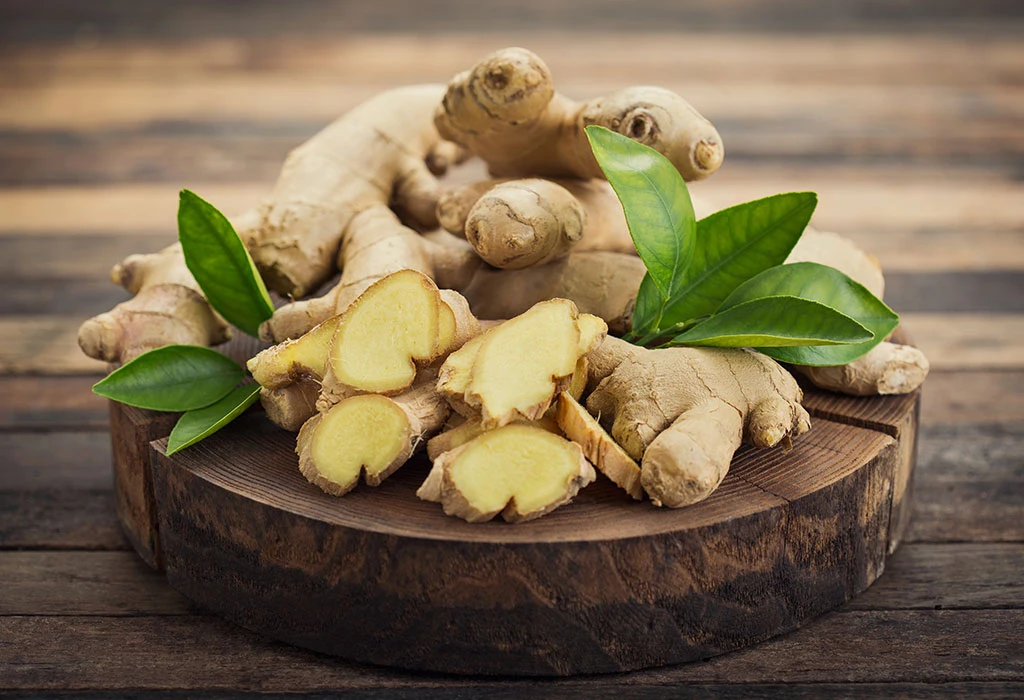
1. Ginger is good.
One of the most commonly found foods in the kitchen that can help boost metabolism is ginger. Ginger is a thermo-glycerin.It means that it can increase body temperature. Increased body temperature is associated with increased metabolic rate.
Ginger is vascular dilatant and helps increase the diameter of small arteries and improve blood circulation. Increased blood flow and circulation increases body temperature, which in turn boosts metabolism and helps the body burn calories.
Ginger also helps to increase your satisfaction because by eating ginger, you eat less and burn more calories.
A 2009 study published in the journal Life Science found that ginger has beneficial effects on metabolism and fat burning, and may help reduce gastric fat. Regular consumption of ginger can reduce the negative effects of a cholesterol-rich diet.
A study published in 2012 in the Journal of Metabolism found that with ginger consumption, you increase your fever and feel less hungry, so ginger plays an effective role in weight control. Further studies are needed to confirm this finding.
2. Bitter coffee.
Coffee is characterized by its metabolism boosting due to the presence of caffeine. Caffeine is a central nervous system stimulant that improves metabolic rate in the body.
Caffeine blocks an inhibitory neurotransmitter called adenosine and increases the release of dopamine and norpenfene. It helps to improve metabolism and release fat from the body.
According to a study published in the American Journal of Clinical Nutrition in 1980, coffee has an immediate effect on metabolism, especially fat oxidation, after eating a meal.
A study published in 2004 in the same journal found that after taking 5/4 milligrams of caffeine, metabolism increased by 13 percent.
A study published in the same journal in 2006 found that coffee can increase fat burning by oxidizing and burning fat.
Another study published in 2010 in the journal Food Science and Biotechnology found that caffeine breaks down body fat by stimulating the nervous system. In other words, the signals of the nervous system are sent to fat cells to begin to break down fat.
In 2011, researchers looked at six studies and found that caffeine supplementation can increase energy consumption in the body over a 24-hour period.
**Overconsumption of caffeine can have adverse effects. It is therefore recommended that you drink no more than two to three cups of coffee a day.
3. The cinnamon.
Cucumber is a delicious food that It increases metabolism and fuel efficiency and reduces weight.
It was low-calorie. Rich in antioxidants. And it's herbal substances that increase metabolism.
The cherry tree, It is a glucose stabilizer and contains type A persaniads. Prosianides are a type of flavonoid that is effective in controlling insulin, transferring glucose to cells and producing glycogen in the body.
Darin contains a compound called methyl hydroxyl calone (MHCP). This compound, a polymer that improves the glucose level in the body. MHCP enhances insulin's effects in cells by absorbing glucose into the cells and It increases insulin sensitivity in the body.
** Increased insulin sensitivity also reduces body fat.
A study published in 2003 in the journal Diabetes Care found that cinnamon helps improve blood sugar levels and lower cholesterol and triglyceride levels in people with diabetes.
A 2010 study published in the journal diabetes science and technology found that cinnamon and its ingredients had beneficial effects on all factors associated with metabolic syndrome, including insulin sensitivity, antioxidants, lipids, glucose, blood pressure, inflammation, and body weight.
Another study published in 2012 in the International Journal of Preventive Medicine found that cinnamon may help people with type 2 diabetes lose weight.
Experts recommend that taking 1 to 3 grams of cinnamon daily (half to 1 teaspoon) for 20 days can improve body metabolism. If you occasionally take cinnamon, the effects of taking a single dose can last up to a day.
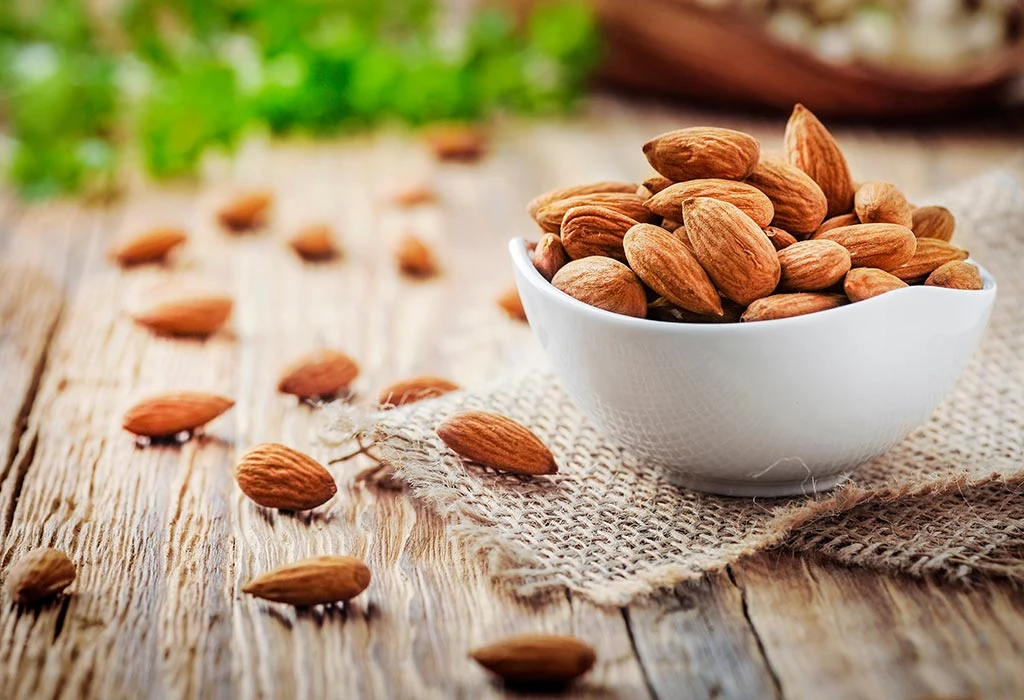
4. The almonds.
Eating almonds increases energy consumption.
Although almonds are high in calories, Full of omega-3 fatty acids. It's a booster of metabolism. These fatty acids can reduce the production of a hormone called leptin. Leptin is a natural chemical that lowers metabolism.
A study published in 2007 in the British Journal of Nutrition found that daily consumption of almonds did not lead to weight gain. This effect can be attributed to the fiber above the almond.
Another study published in 2007 in the Journal of Metabolism found that besides lowering serum cholesterol, almonds could reduce the effect of carbohydrate foods on glycemicity.
Because almonds are high in protein, they help burn more calories.
** However, do not overdo it. A single daily serving of fresh or fragrant almonds is sufficient.
5. I'm not going to go.
Broccoli is one of the vegetables that helps improve metabolic activity in the body. Broccoli is rich in calcium and vitamin D, which are useful for improving metabolism. Calcium boosts metabolism.
Broccoli is rich in herbal substances that accelerate the process of fat breakdown in cells and rid the body of excess fat. Broccoli is rich in folate, fiber, omega-3 fatty acids, magnesium and vitamins Th, potassium, B6 and B12, and helps burn fat and prevent more calories from being added.
**Adding 1 to 1 1/2 cups of raw or cooked broccoli to the diet is effective for improving metabolism and weight loss.
The regulator: She's a senior nutritionist.