13 Home Remedies for Constipation
It's a common problem, and about 20 percent of Americans have it, which is why eight million people visit doctors every year.
It's a common problem. So about 20 percent of Americans have constipation, and that's why 8 million people visit doctors every year. Constipation can be caused by food intake, abstinence from eating, lifestyle, medication or illness. The cause of chronic constipation is unknown to most people. That's why this type of blindness is called chronic idiopathic blindness.
The bowel movements less than three times a week are called constipation.
However, constipation can be accompanied by uncomfortable symptoms such as discomfort when going to the bathroom, bloating and swelling of the abdomen and pain from draining a hard, dry stool. Unfortunately, the effects of fog are serious and negative on quality of life and physical and mental health. There are natural ways to help relieve the symptoms of constipation. You can do these procedures at home. Most of these methods have been scientifically proven and supported.
Here are 13 home remedies to improve constipation.
1 Drink plenty of water
Being constantly dehydrated can cause constipation, so to prevent constipation drink plenty of water and keep your body hydrated. When you get constipated, drinking a little carbonated water can help maintain your body's hydration and keep you moving and active again. Some studies have shown that tap water is more effective at relieving constipation than regular water. This includes people with chronic idiopathic constipation or irritable bowel syndrome (IBS). However, avoid carbonated drinks such as sweet drinks because they are harmful to health and may make constipation worse and worse.
Last word: Low water causes frostbite, so drink plenty of water.
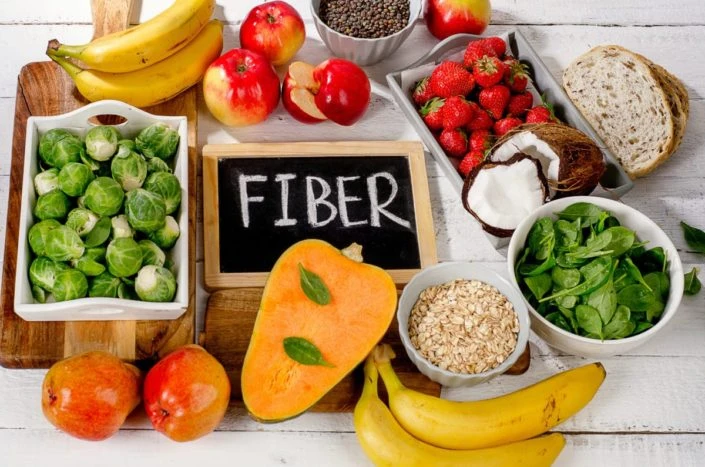
2 - More fiber consumption, especially soluble and nonfertilizing fibers.
People with constipation are often advised to increase their fiber intake because it increases the volume and consistency of bowel movements, so stool removal is done immediately. In fact, one recent report found that 77 percent of people with chronic constipation experienced improvement in their constipation by taking fiber-containing supplements.
It's worth noting, some studies have shown that excessive fiber consumption can make this problem worse. Other studies have shown that while fiber in food can increase bowel movements, it does not help to improve other symptoms of constipation. These symptoms include stool pus, pain, swelling and gas.
That's why the type of fiber that you add to your diet is so important.
There are many different types of fiber in food, but generally these fibers fall into two categories:
• Unsoluble fibers: These fibers are found in whole wheat flour, vegetables, and whole grains. The consumption of these fibers increases the volume of stool and helps to remove stool from the digestive system more quickly and easily.
• Soluble fibers: These fibers are found in the atmosphere of dried fruit, jelly, nuts, seeds, beans, lentils and citrus fruits as well as some fruits and vegetables. These fibers absorb water and form a gel-like adhesive that soften the stool and improve its texture.
Studies that have investigated the effects of insoluble fiber as a treatment for obesity are not complete and comprehensive. This is because insoluble fiber in some people with intestinal disorders such as IBS or chronic idiopathic eczema can worsen the problem. Some soluble fertile fibers are not effective in the treatment of constipation because they are fertilized by bacteria in the intestine and lose water storage capacity.
The best option for supplementing with fiber when frozen is a non-fertilizing solvent such as passilium. This product is made by different brands like Musylium and Musylium Forte and... It's available.
To prevent constipation, you should take a mixture of soluble and insoluble fiber.
Lastly, increase fiber intake. You can supplement your diet with non-fertilizing soluble fiber like passilium.
3. Sports
Studies on the effects of exercise on menopause have shown different results. In fact, most studies have shown that exercise has no effect on bowel movements. However, one recent study in people with IBS and constipation showed interesting results. The findings showed that exercise significantly reduced the symptoms of constipation. Other studies showed similar results for this group of people. While most studies have shown that exercise has no effect on the frequency of going to the bathroom, it appears that exercise can reduce some of the symptoms of constipation. If you're a person with constipation, try regular walking because it's worth a try.
Last word: Exercise can reduce the symptoms of constipation in some people, although evidence varies.
4. Coffee, especially caffeine.
For some people, coffee can increase the urge to go to the bathroom because it stimulates muscles in their digestive system. In fact, one study showed that caffeinated coffee can stimulate the gut as much as a meal. Caffeine-rich coffee is 60% more effective than drinking water and 23% more effective than decaffeinated coffee. Coffee contains a small amount of soluble fiber that prevents bacteria from freezing by keeping the intestines balanced.
Final word: Coffee helps to relieve constipation by stimulating the intestinal muscles.
5. Senate use as a herbal laxative
Senna is commonly used as an herbal laxative to relieve constipation. It can be purchased from pharmacies for oral or recreational use.
Sena-Lax: Herbal pills containing pine leaf extract and starch seed to relieve chronic constipation
The herb contains plant compounds called glycosides that stimulate the intestinal nerve and increase bowel movement. It is safe and safe for adults to use in the short term, but if the symptoms of constipation do not resolve after a few days of consumption, see a doctor. Senate plants are not usually recommended for pregnant women, breastfeeding women or people with certain diseases such as inflammatory bowel disease.
Last word: Senna, a laxative plant, is used to treat constipation that's available in stores. It can stimulate the intestinal nerve to increase the rate of bowel movement, but long-term consumption is not recommended. The use of this herb in the short term is safe and safe for adults, but if the symptoms of constipation do not resolve after a few days of consumption, see a doctor.
6- Consumption of probiotic foods or probiotic supplements
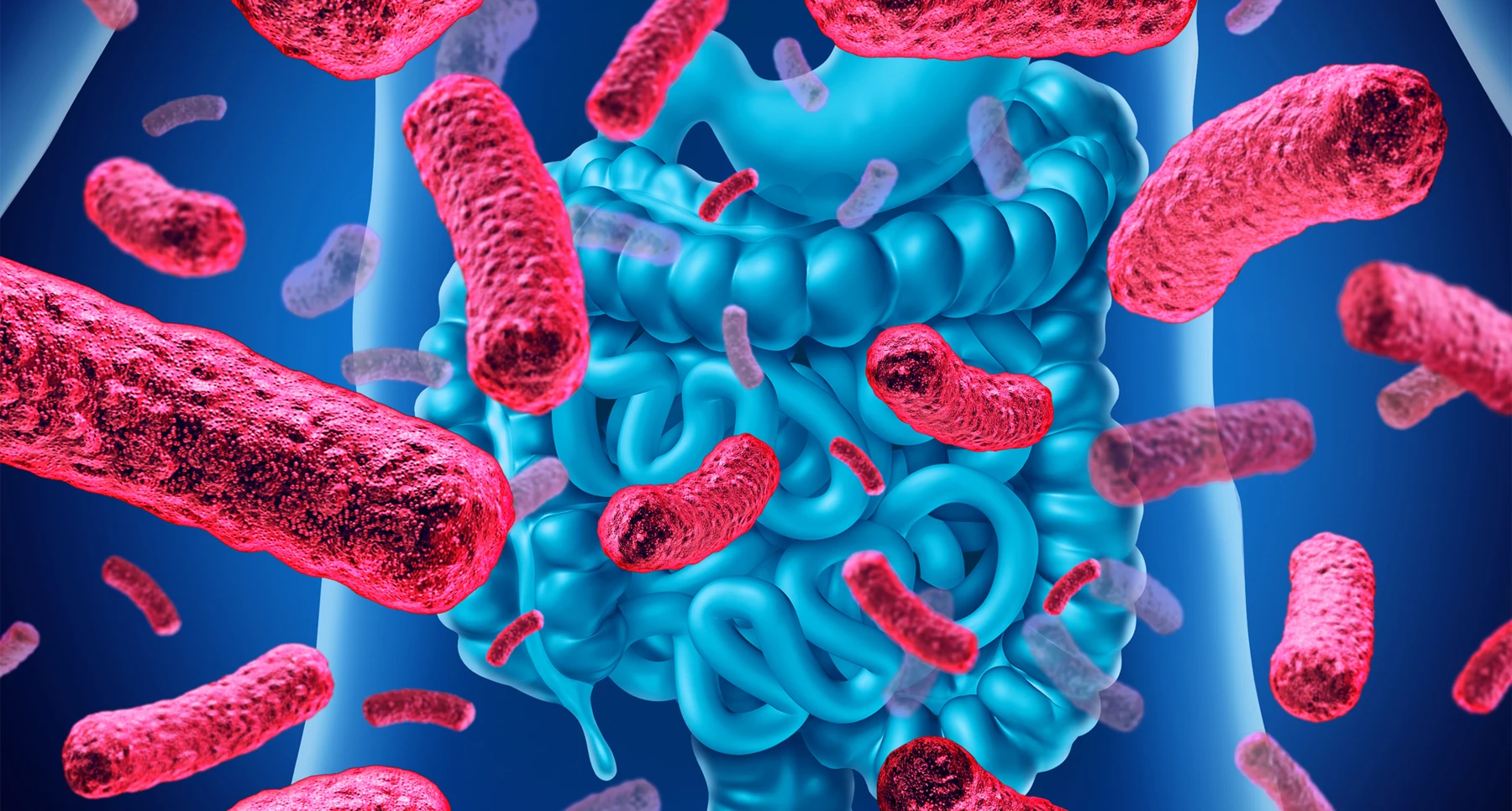
Probiotics help prevent chronic constipation. In people with chronic constipation, the gut bacteria balance is lost. Probiotic foods can help maintain the balance of gut bacteria and prevent constipation. Probiotics help treat constipation by producing lactic acid and short-chain fatty acids. These drugs improve bowel movements and make stool removal easier. Recent reports have shown that probiotics help treat constipation by increasing bowel movements and improving stool composition.
Add probiotics to your diet and try probiotic foods. Probiotic foods include cabbage, kale and kimchi, which contain beneficial living bacteria. You can try probiotic supplements, and it's recommended that you take them every day for at least four weeks to see the beneficial effects.
Last word: Probiotics can help treat chronic constipation. You can try probiotic foods or supplement them. To understand the effects and benefits of probiotics, you should take a probiotic supplement every day for at least four weeks.
7. Laxatives prescribed or not prescribed
Consult your doctor or pharmacist about choosing a strong and effective laxative.
Doctors or pharmacies recommend one of the following:
• Stool laxatives: Laxatives containing fiber increase the water content of stool.
• Stool softener: This substance contains oil that makes stool soften and easily expel from the intestines.
• Laxative stimulating: This substance stimulates the intestinal nerve and increases bowel movements.
• Smoking laxative: Smoking laxer releases water from the surrounding tissues and absorbs it into the digestive system, the stool.
Avoid regular, spontaneous use of these laxatives without medical advice.
Last word: Consult your doctor or pharmacist about taking strong and effective laxatives.
"Important advice: It is best to consume herbal medicines prepared and formulated using scientific and standardised methods".
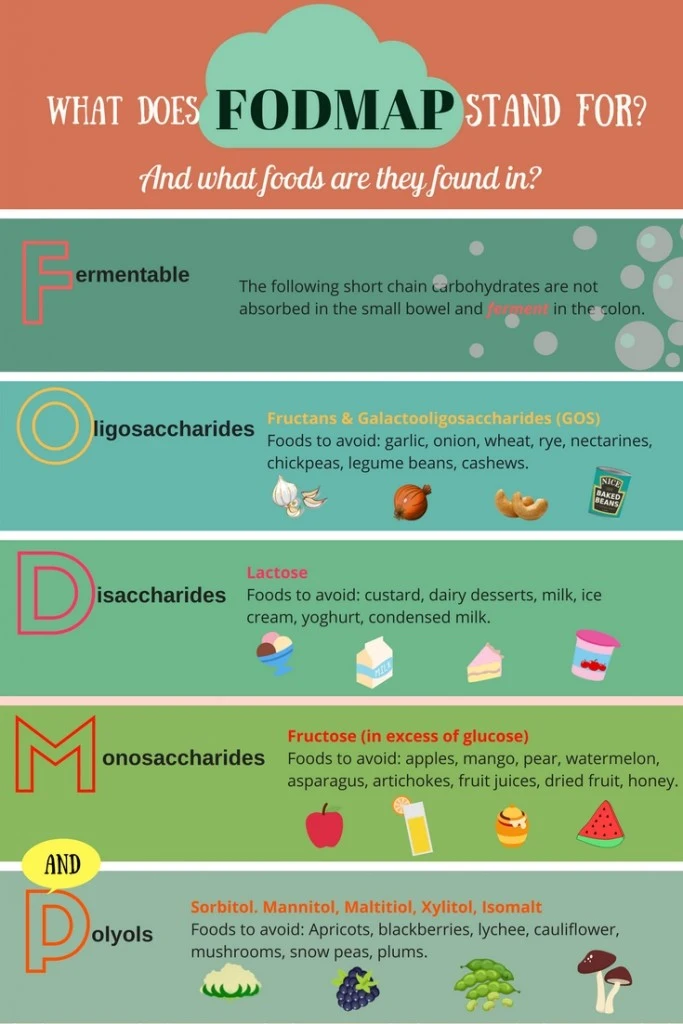
8- Diet with the lowest FODMAP content
Constipation can be a symptom of irritable bowel syndrome, or IBS. The lowest FODMAP diet is an elimination diet often used to treat IBS. This diet can be effective in treating constipation caused by IBS. FODMAP is an acronym for oligosaccharides, de-saccharides and monosaccharids and fertile polyols. In this diet, the intake of FODMAP foods is reduced and limited over a period of time, and then its tolerance can be determined by adding these foods. However, if you have IBS of the form of constipation, a diet with minimal FODMAP is not enough. You should pay attention to other aspects of your diet, such as water and fiber intake, to deal with improving symptoms.
Last word: In case of IBS, a diet with minimal FODMAP can help improve constipation. However, this diet of concrete is not enough to alleviate and relieve the symptoms.
9 - Taking glucomannan supplements
Glucomannan is a type of soluble fiber that is effective in treating constipation. One study found that 45 percent of children who ate glucomanine had less severe constipation compared to 13 percent of controls. However, other studies showed no significant effects of glucomannan consumption. In addition to improving bowel movements, glucomannan acts like a prebiotic and improves the balance of good gut bacteria. If you're constipated, try taking glucomannan and add it to your diet. You can improve your symptoms of constipation by taking glucomannan supplements.
Last word: Glucomannan helps to treat constipation in some people. You can use glucomannan supplements.
10 restaurants of the Fairy Biotics
The fiber in the diet increases consistency and stool volume, both of which can improve bowel movement frequencies. Some fibers can help treat chronic constipation and affect the health of the digestive system. Prebiotic fibers, which are food for beneficial gut bacteria, improve digestive function. These fibers can help keep gut bacteria in balance. In fact, prebiotics like galacto-aligoccharides help boost the frequency of bowel movements and also loosen stool.
Foods rich in prebiotic fiber include garlic, onions and bananas.
Last word: Foods containing prebiotic fibers can improve digestive health and help keep the gut's healthy bacteria population balanced. These types of fibers often cause numbness.
11th citrate
Consumption of magnesium citrate is one of the home remedies for constipation. Magnesium citrate is a laxative that can be purchased in pharmacies. Medium-dose magnesium supplements can help relieve constipation. Sometimes higher doses are used to cleanse the intestines before surgery or other treatments.
Finally, taking a magnesium citrate supplement can help relieve constipation.
12. The prunes.
Prunes and aloe juice are natural treatments for constipation. Prunes contain a natural laxative called sorbitol in addition to having fiber. Sorbitol is an alcoholic sugar with a laxative effect. Studies have shown that prunes are more effective than fiber. If you have constipation, prunes are the simplest natural way to treat it. It is recommended to consume about 50 grams (7 average prunes) twice a day. However, if you have IBS, you may want to avoid eating prunes because alcoholic sugars are part of FODMAP.
Last word: prunes contain sorbitol, an alcoholic sugar that has a laxative effect.
13 Avoid the use of milk.
In some cases, intolerance to milk causes constipation due to its effect on bowel movements. In some cases, children with cow's milk protein intolerance and adults with lactose intolerance may become obese. If you can't tolerate dairy products, you can temporarily eliminate them from your diet to see how they improve your symptoms of constipation. By eliminating dairy from your diet, add other calcium-rich foods to your diet.
Last word: In some people, intolerance to milk or lactose causes constipation. If you become constipated with dairy, temporarily remove it from your diet to see the effects.
Set it up. She's a senior nutritionist.